Signs Your Lungs Need Support
Recognizing Early Indicators of Respiratory Imbalance
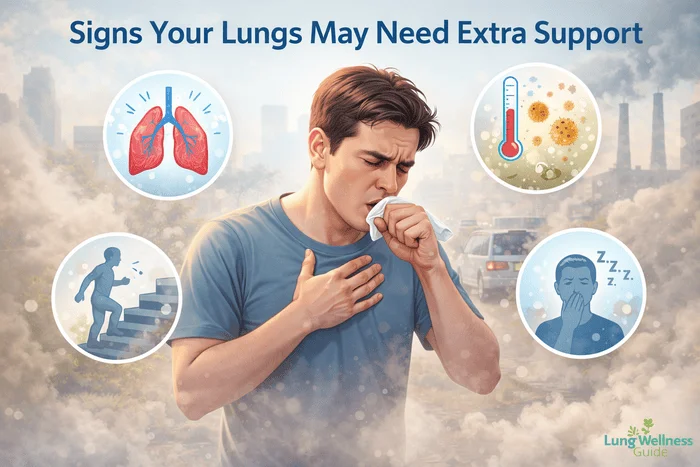
The respiratory system works continuously to help the body receive oxygen and remove carbon dioxide. Because breathing is automatic, many people rarely think about lung health unless noticeable changes begin to occur.
Sometimes the body may display subtle signals that suggest the respiratory system could benefit from extra attention. Recognizing these signals early can help individuals become more aware of their breathing patterns and overall respiratory wellness.
While occasional breathing discomfort can happen for many reasons, paying attention to ongoing symptoms may help encourage proactive steps toward maintaining healthy lungs.
Frequent Shortness of Breath
One possible indicator that the lungs may need extra care is frequent shortness of breath during everyday activities. While it is normal to feel winded during intense exercise, experiencing breathlessness during light movement may suggest the body is working harder to receive adequate oxygen.
If climbing stairs, walking moderate distances, or performing routine tasks consistently leads to breathing discomfort, it may be helpful to evaluate lifestyle habits that support respiratory health.
Persistent Cough
Occasional coughing is a normal response that helps the body clear irritants from the airways. However, a cough that continues for long periods may signal that the respiratory system is reacting to ongoing irritation or imbalance.
Environmental factors such as dust, pollution, seasonal allergens, or dry air may contribute to persistent coughing in some individuals.
Reduced Physical Endurance
Another possible sign that the lungs may require additional attention is reduced endurance during physical activity. If activities that were once comfortable begin to feel more difficult due to breathing limitations, it may indicate the respiratory system is not functioning as efficiently as before.
Improving physical conditioning and supporting lung wellness may help restore comfortable breathing during movement.
Chest Tightness During Breathing
Some individuals occasionally experience a feeling of tightness or heaviness in the chest while breathing. This sensation can sometimes occur during periods of stress, environmental exposure, or respiratory irritation.
When breathing feels restricted or uncomfortable, it may be beneficial to focus on relaxation techniques and breathing awareness practices that encourage calm and steady breathing.
Increased Sensitivity to Air Quality
The lungs interact directly with the surrounding environment. Because of this, poor air quality may sometimes affect breathing comfort.
Individuals who notice that certain environments make breathing more difficult may benefit from paying closer attention to indoor and outdoor air quality.
Common environmental factors that may affect breathing include:
- Air pollution
- Cigarette smoke
- Dust particles
- Chemical fumes
- Seasonal allergens
Reducing exposure to these irritants may help support respiratory comfort.
Frequent Fatigue
When the body receives oxygen efficiently, it helps support normal energy levels. If the lungs are not functioning optimally, some individuals may experience fatigue more easily during physical activity.
While fatigue can have many causes, supporting respiratory wellness through healthy habits may help contribute to improved vitality.
Supporting Respiratory Wellness
Recognizing possible signs of respiratory imbalance can encourage individuals to take steps toward supporting lung health.
Helpful practices that may support respiratory wellness include:
- Maintaining regular physical activity
- Practicing breathing exercises
- Maintaining balanced nutrition
- Staying properly hydrated
- Avoiding environmental pollutants when possible
Adopting healthy lifestyle habits may help support comfortable breathing and overall respiratory balance.
Final Thoughts
The lungs play a vital role in maintaining overall wellness. Paying attention to changes in breathing patterns or respiratory comfort may help individuals recognize when their lungs may benefit from additional care.
By staying aware of respiratory health and adopting supportive lifestyle habits, many people aim to maintain comfortable breathing and long-term lung wellness.
At Lung Wellness Guide, we continue to provide educational resources that help readers better understand respiratory health and the steps that may support healthy breathing.
This article is for educational purposes only and is not intended as medical advice. Always consult a qualified healthcare professional for medical concerns.